
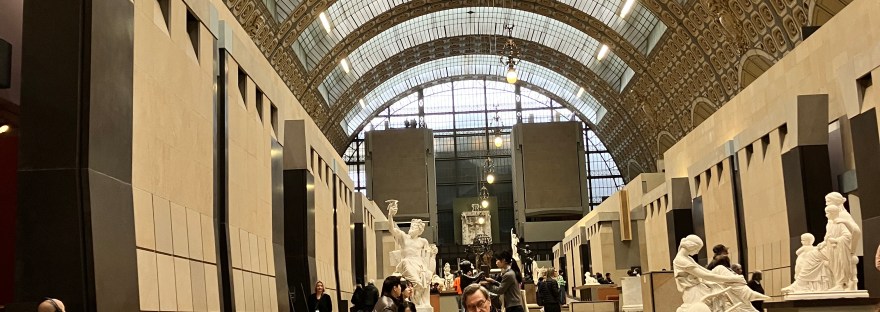
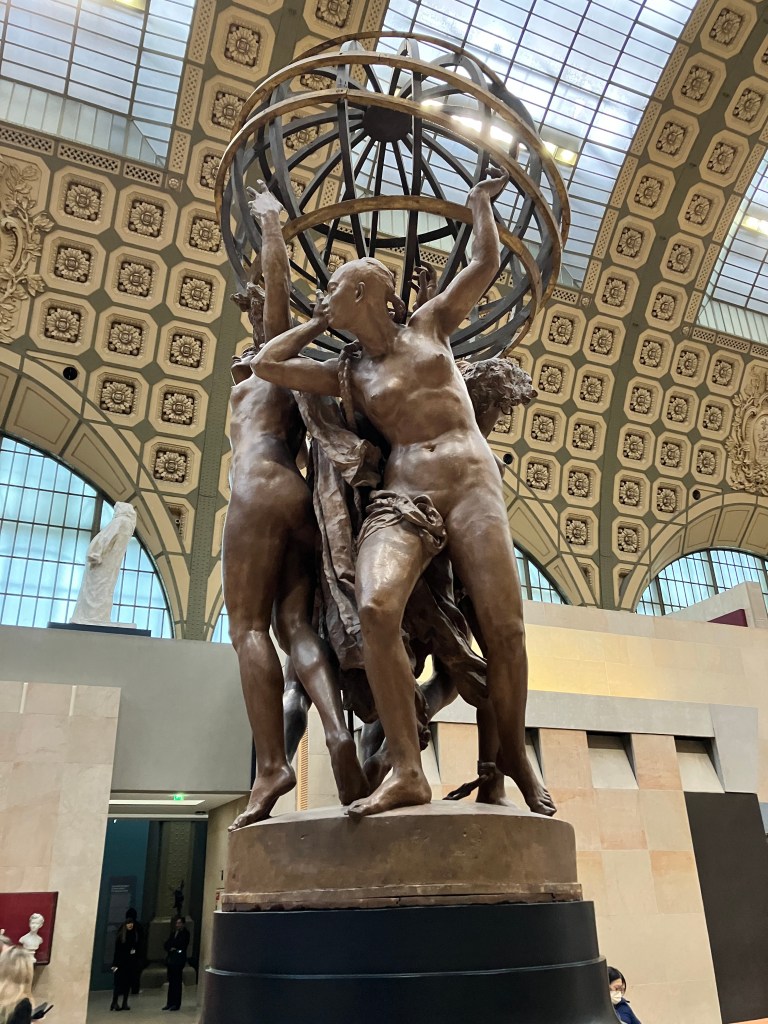
Nestled on the left bank of the Seine, in the heart of Paris, the Musée d’Orsay is more than just a museum, it’s a journey through time, art, and architectural wonder. Housed in a former Beaux-Arts railway station once known as the Gare d’Orsay, this building is a masterpiece in itself, seamlessly blending history with creativity. We explored this beauty for the second time during our most recent visit to Paris.
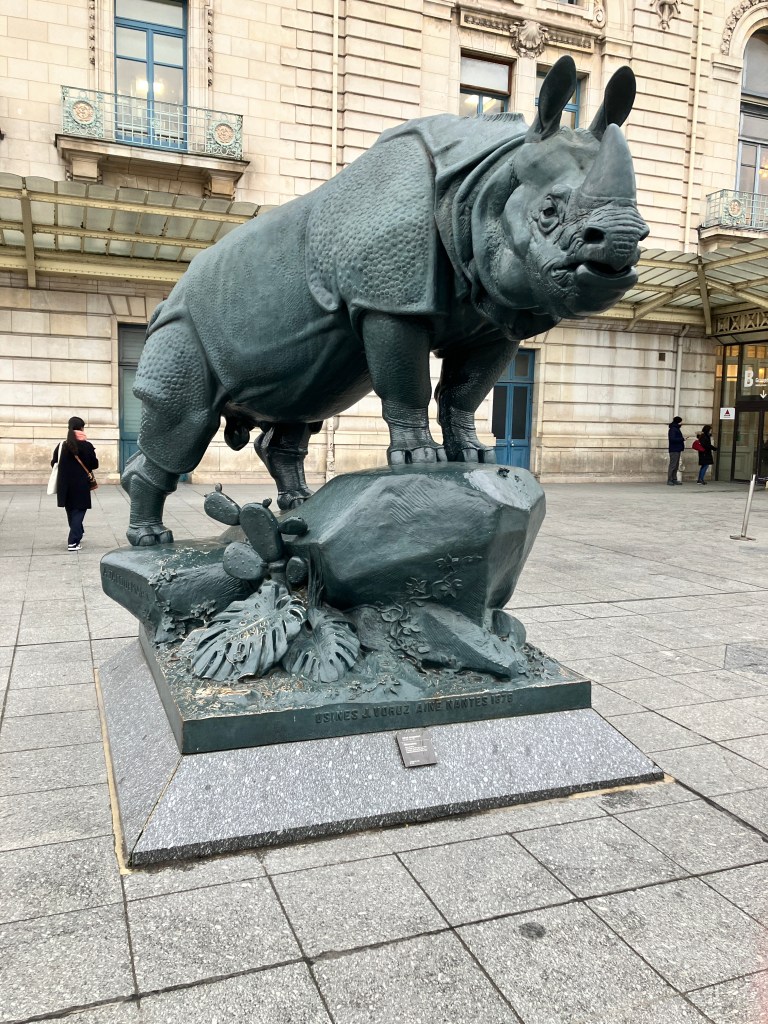
A Museum with a Story
The building that now hosts the Musée d’Orsay was originally constructed for the 1900 Exposition Universelle (World’s Fair). Its grand iron and glass structure was once a bustling train station, but by the 1970s, it had fallen into disuse. Rather than demolish it, the French government transformed it into a museum, which officially opened its doors in 1986
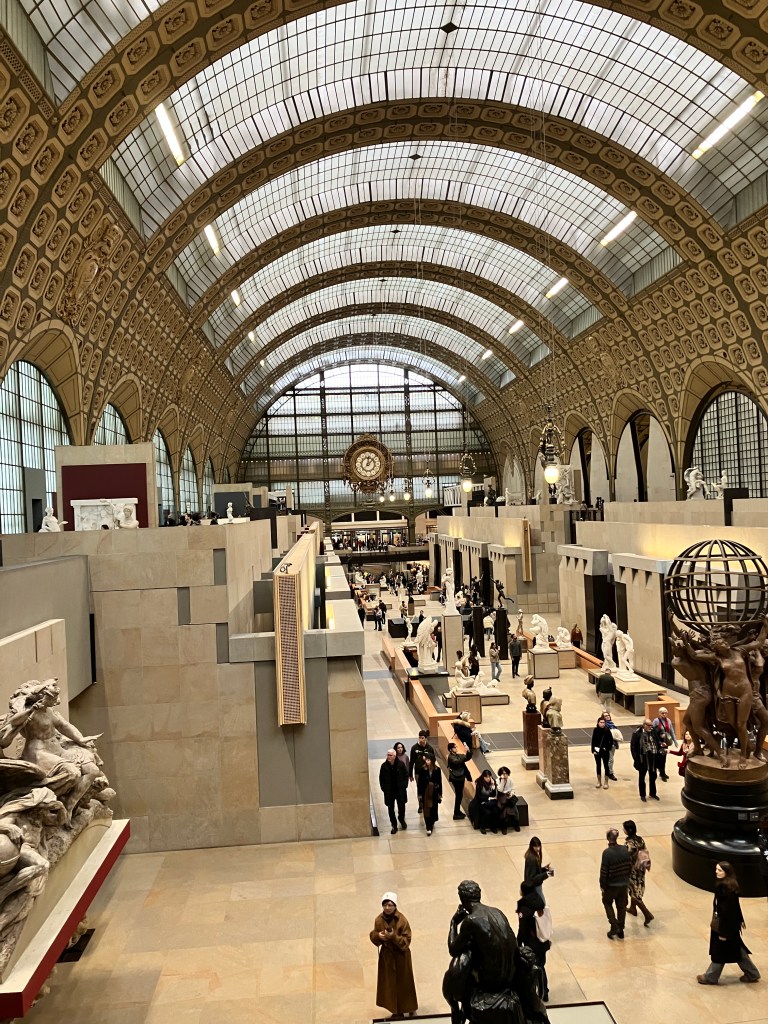
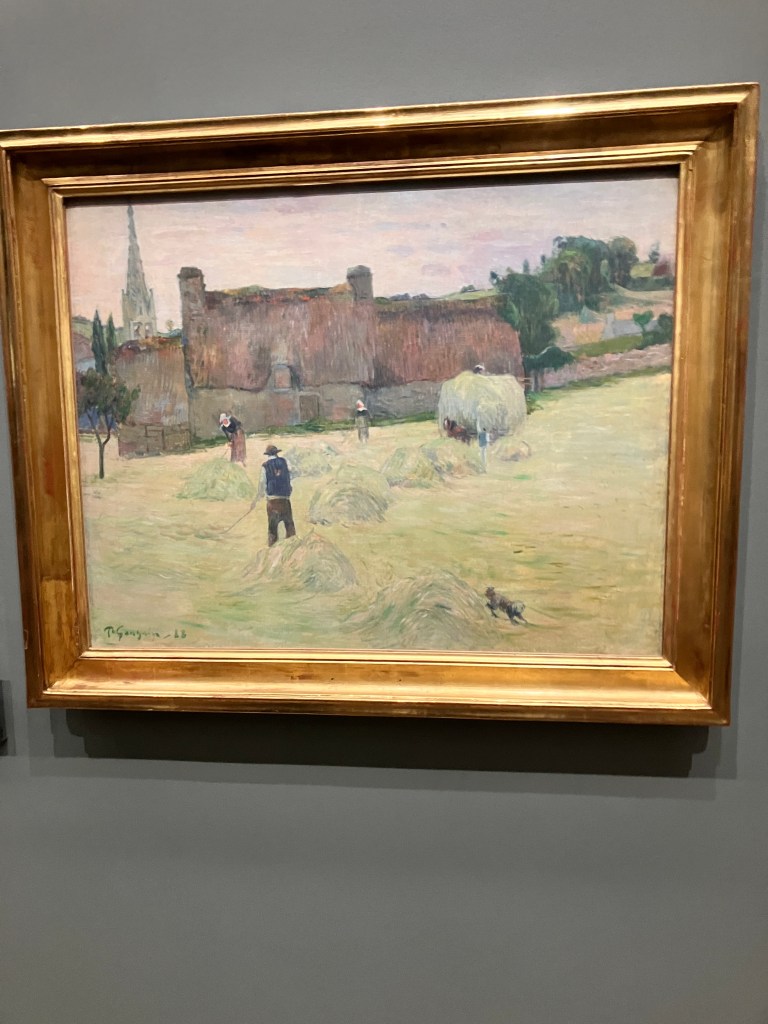
The Musée d’Orsay is world-renowned for its extensive collection of Impressionist and Post-Impressionist masterpieces. Visitors can admire iconic works by:
- Claude Monet – including his dreamy water lilies and serene landscapes.
- Edgar Degas – famous for his ballet dancers and candid scenes of Parisian life.
- Pierre-Auguste Renoir, Édouard Manet, Vincent van Gogh, and Paul Cézanne – each offering a unique lens into the evolution of modern art.



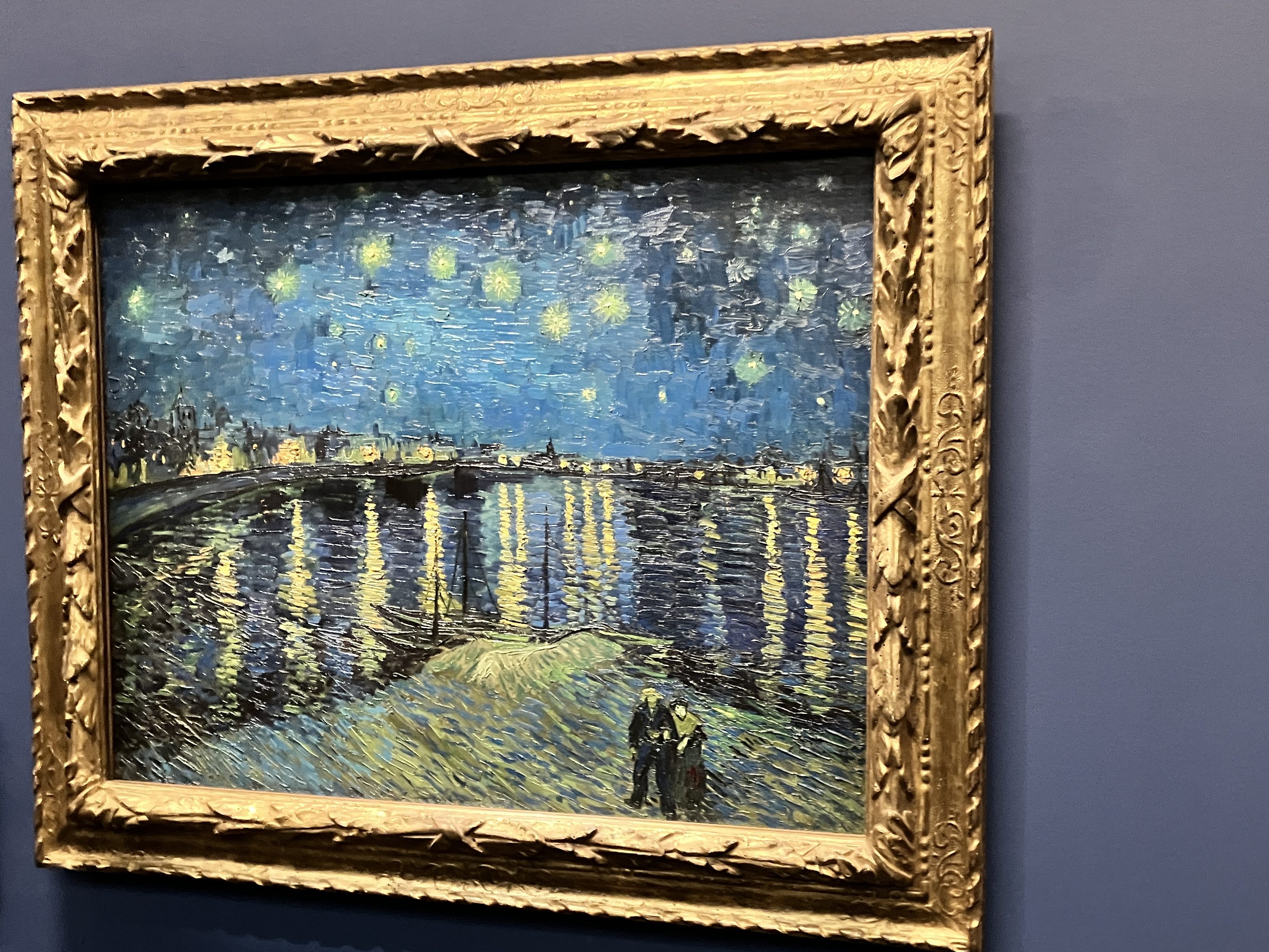
One of the museum’s most beloved pieces is Van Gogh’s Starry Night Over the Rhône, a painting that captures the magic of light and reflection in a way only Van Gogh could.


A View Like No Other
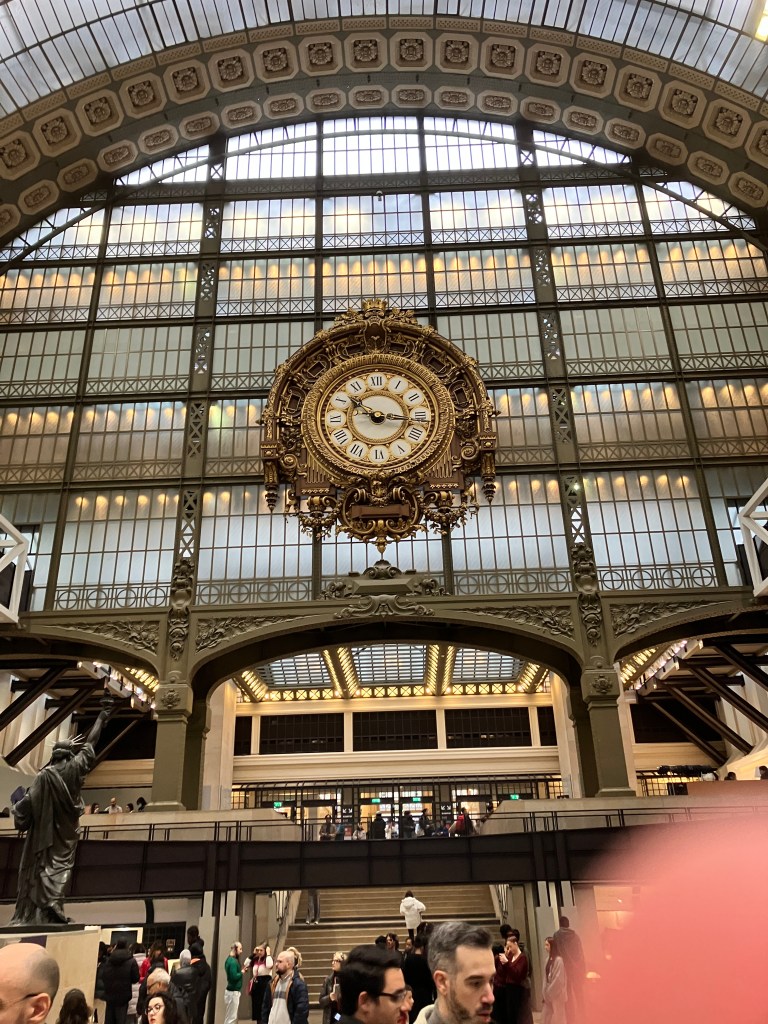
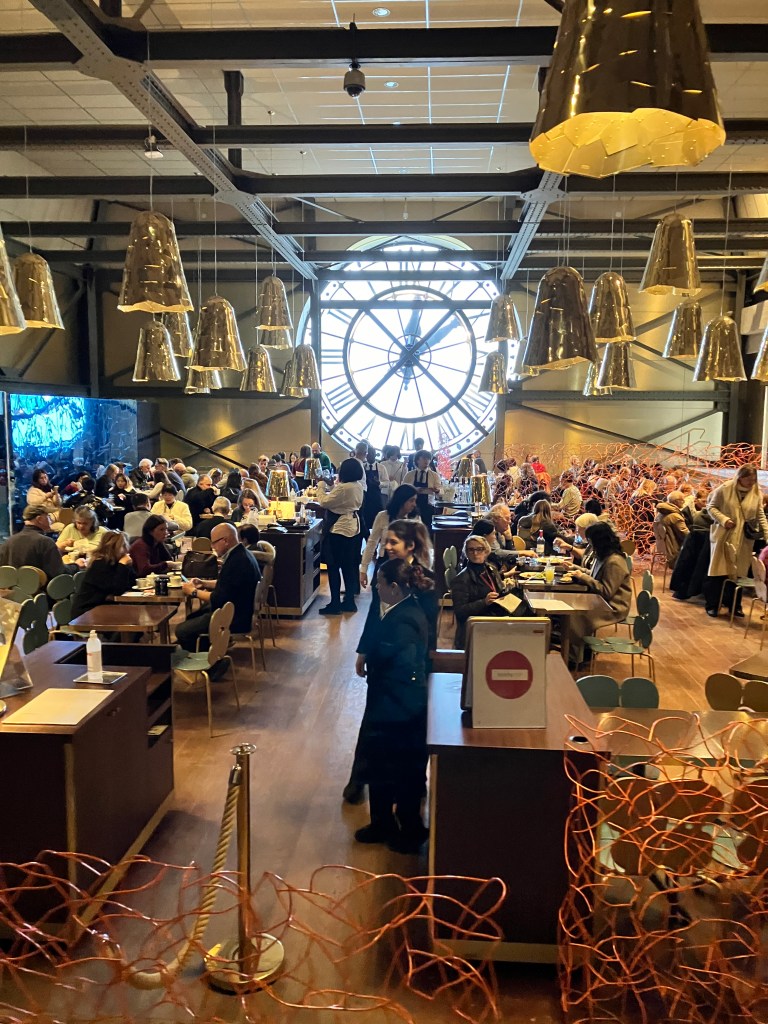
Don’t miss the chance to look out from behind the museum’s iconic giant clock face. From there, you’ll get a breathtaking view of the Seine and the rooftops of Paris, including the Louvre and Montmartre in the distance.
Tips for Visiting
- Arrive early to avoid crowds, especially in peak tourist seasons.
- Buy tickets online in advance to skip the line.
- Take a guided tour or use the museum’s app to get deeper insights into the artworks. We used Viator for a guided tour. Highly recommended!
- Visit the café behind the clock for a unique dining experience with a view.

 drnicktravels.com